
A Decade of Neuroepigenetics: How LSD1/KDM1A Connects Neurons, Stress and Dopamine
Three LSD1/KDM1A JNC papers, linking neuroepigenetics to neuronal growth, stress adaptation and dopamine-related behaviour
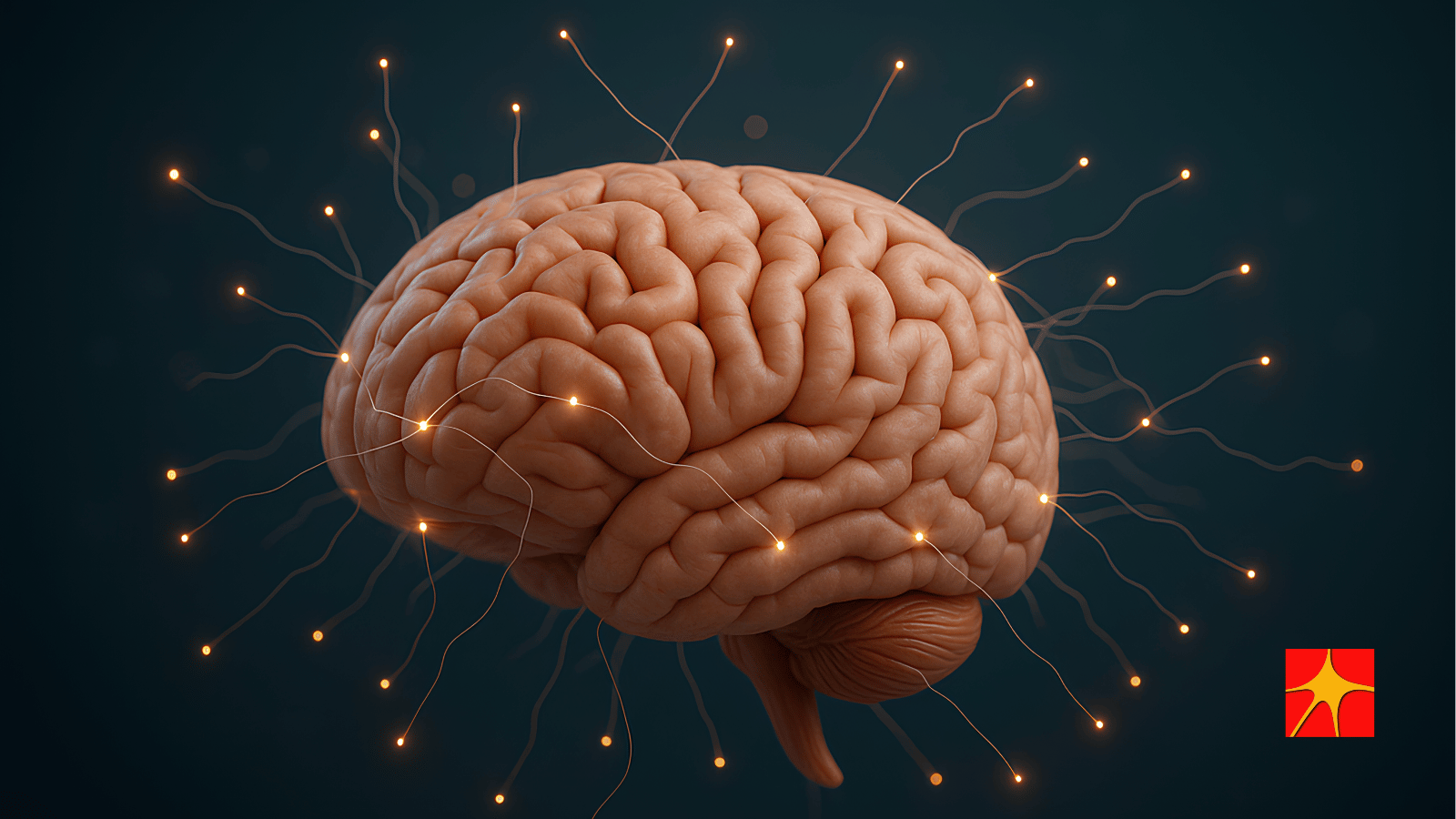
Some scientific stories do not unfold in a single paper. They develop over years, with each study adding a new layer to the same central question. Across three papers published in the Journal of Neurochemistry, researchers have explored how LSD1/KDM1A, an epigenetic enzyme, helps regulate the brain’s ability to grow, adapt and respond to experience. Together, these studies trace a coherent research path: from neuronal morphogenesis, to stress regulation, to dopamine-dependent behaviour.
What is LSD1/KDM1A?
To understand why this research matters, it helps to begin with epigenetics.
Epigenetic mechanisms help control when genes are turned “on” or “off”, without changing the underlying DNA sequence. In the brain, this kind of gene regulation is essential because neurons need to respond to development, activity, stress and environmental change. The National Human Genome Research Institute explains that epigenomic modifications can alter gene expression and may change in response to development, environment or disease.
LSD1/KDM1A is one of these regulatory enzymes. It helps control gene expression by modifying chromatin, the structure that packages DNA inside the cell. In neurons, a specialised form called neuroLSD1 adds another layer of control, helping the nervous system fine-tune plasticity and adaptation.
Paper 1: How LSD1/KDM1A Helps Shape Neurons
The first study asked how a neuron-specific form of LSD1/KDM1A supports neuronal development.
The researchers focused on LSD1-8a, a neuronal isoform of LSD1. They found that phosphorylation of a specific residue, Thr369b, changes how LSD1-8a interacts with its usual repressive partners, including CoREST and HDAC1/2. In simple terms, this modification weakens LSD1’s ability to repress transcription, allowing genes involved in neuronal growth and branching to become more active.
This matters because neurons are not static. They must form branches, connect with other cells and adapt their structure. The study showed that a small molecular change in an epigenetic enzyme can influence the larger architecture of neurons.
Paper 2: How LSD1/KDM1A Helps the Brain Respond to Stress
The second paper moved from neuronal structure to stress adaptation.
Acute stress activates brain circuits that help an organism respond to a challenge. But once the challenge has passed, the brain also needs a way to calm the response. This is where the endocannabinoid system becomes important.
The study showed that, after acute psychosocial stress in mice, LSD1 helps repress two enzymes involved in breaking down 2-AG, an endocannabinoid that helps regulate synaptic activity. These enzymes are ABHD6 and MAGL. By reducing their expression, the brain may support 2-AG signalling and help bring the stress response under control.
Importantly, this regulation was lost under chronic stress. That finding points to a powerful idea: mechanisms that help the brain adapt to short-term stress may become disrupted when stress is repeated or prolonged.
Paper 3: LSD1/KDM1A, Dopamine and Behavioural Variability
The third paper brings the story into dopamine signalling and behaviour.
Dopamine is central to learning, motivation, reward and addiction-related behaviours. The National Institute on Drug Abuse notes that large dopamine surges can teach the brain to repeat drug-associated behaviours and strengthen reward-related circuits.
In the 2025 JNC study, researchers explored how neuroLSD1 interacts with dopaminergic neurotransmission. Mice lacking neuroLSD1 showed greater individual variability in their locomotor response to amphetamine. The study also found reduced dopamine efflux in the nucleus accumbens, a brain region strongly linked to reward and motivation, and showed that repeated amphetamine exposure changed LSD1 isoform expression in the striatum and hippocampus.
This suggests that LSD1/KDM1A is not only involved in gene regulation in the abstract. It may help shape how brain circuits respond to powerful dopamine-related stimuli.
Why These Three Papers Belong Together
Taken together, the three studies show how one epigenetic enzyme can be studied across different levels of brain function:
- At the cellular level, LSD1/KDM1A helps regulate neuronal growth and branching.
- At the stress-response level, it helps tune endocannabinoid signalling after acute stress.
- At the behavioural level, it interacts with dopamine systems linked to amphetamine response and behavioural variability.
This is what makes the series compelling. It does not simply describe one isolated finding. It shows how a molecular mechanism can be followed across time, models and biological scales.
Why This Matters for Neurochemistry
Neurochemistry often sits at the bridge between molecules and behaviour. These three JNC papers are a strong example of that bridge.
They show how changes in gene regulation can influence neuronal structure, synaptic signalling, stress adaptation and dopamine-related behaviour. They also highlight why long-term, mechanistic research is so valuable: each paper adds a new layer to a larger scientific picture.
For the Journal of Neurochemistry, this series reflects the kind of research the journal aims to support - studies that connect molecular mechanisms with meaningful advances in understanding the nervous system.
A Scientific Story Built Over Time
A decade of research on LSD1/KDM1A shows how scientific ideas grow.
What began as a question about neuronal morphogenesis expanded into a broader investigation of how the brain adapts to stress and dopamine-related stimulation. Across these studies, LSD1/KDM1A emerges as a key molecular player in neuroepigenetics, linking gene regulation to plasticity, adaptation and behaviour.
